Acne is often associated with teenage years, but many adults continue to experience persistent breakouts well into their twenties, thirties, and beyond. Managing adult acne becomes even more challenging when you have sensitive skin. Products that work for one person may trigger redness, irritation, or excessive dryness in another. Finding the right balance between treating acne and protecting the skin barrier is essential for long-term skin health.
People living in Airoli, Thane, often deal with additional environmental factors such as humidity, pollution, and prolonged sun exposure, all of which can influence acne and skin sensitivity. Understanding the underlying cause of acne is the first step toward choosing the most appropriate treatment.
Why Adult Acne and Sensitive Skin Often Occur Together
Sensitive skin reacts more easily to external irritants, while adult acne is commonly influenced by internal factors. Some of the most common triggers include:
- Hormonal fluctuations
- Stress and lack of sleep
- Improper skincare products
- Excessive exfoliation
- Pollution and environmental exposure
- Certain medications
- Genetic predisposition
Using harsh acne treatments without professional guidance can worsen inflammation and weaken the skin's protective barrier.
Signs That Your Acne Treatment May Be Too Harsh
Many people mistake irritation for treatment effectiveness. However, persistent discomfort usually indicates that the skin is struggling.
Common warning signs include:
- Burning sensation after applying products
- Redness that lasts for hours
- Tightness and excessive dryness
- Flaky skin around acne lesions
- Increased sensitivity to sunlight
- New breakouts caused by irritation
Protecting the skin barrier is just as important as reducing acne.
A Gentle Medical Approach to Adult Acne Treatment
Effective treatment focuses on reducing inflammation while maintaining healthy skin.
Dermatologists may recommend:
- Mild prescription creams suited for sensitive skin
- Barrier-repair moisturizers
- Non-comedogenic sunscreens
- Gentle cleansers without harsh fragrances
- Targeted anti-inflammatory ingredients
- Professional monitoring to adjust treatment over time
Treatment plans are often customized because no two patients experience acne in exactly the same way.
Lifestyle Habits That Support Better Skin
Daily habits significantly influence treatment outcomes.
Helpful practices include:
- Wash your face with a gentle cleanser twice daily.
- Avoid scrubbing acne-prone skin aggressively.
- Keep makeup brushes and pillowcases clean.
- Stay hydrated throughout the day.
- Eat a balanced diet rich in fruits and vegetables.
- Manage stress through exercise or relaxation techniques.
- Get adequate sleep every night.
These small habits can complement medical treatment and reduce future flare-ups.
When Professional Care Becomes Necessary
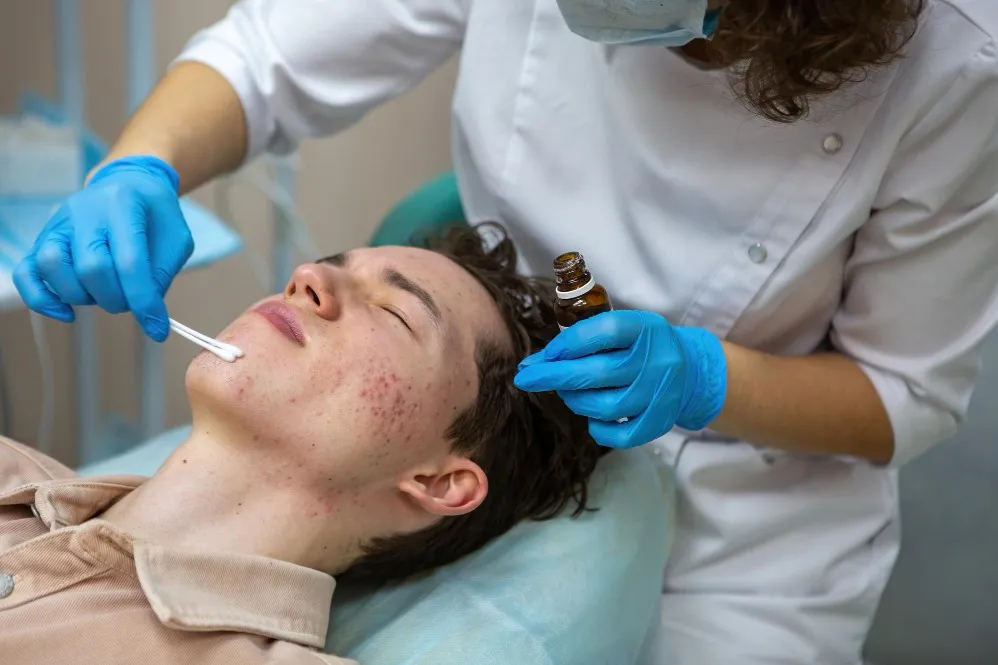
If acne persists despite over-the-counter products, professional evaluation is recommended. Delayed treatment can increase the risk of pigmentation and permanent acne scars.
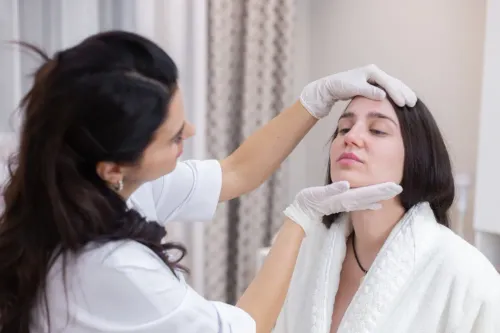
A dermatologist evaluates:
- Acne severity
- Hormonal influences
- Skin sensitivity
- Previous treatment history
- Lifestyle factors
- Existing pigmentation or scarring
This comprehensive assessment helps create a treatment plan that addresses both active acne and long-term skin health.
Treatment May Include More Than One Solution
Depending on the condition, a dermatologist may combine several approaches:
- Prescription topical medications
- Oral medicines where appropriate
- Chemical peels for selected patients
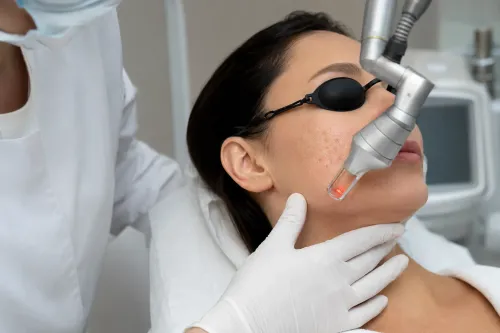
- Light-based therapies
- Skin barrier restoration
- Maintenance skincare routines
The goal is gradual improvement while minimizing irritation.
At Siyona Skin Hair and Aesthetic Clinic in Thane, treatment plans are designed after evaluating each patient's skin type, sensitivity level, and acne pattern. Personalized care helps reduce unnecessary product experimentation while supporting healthier skin over time.
Adult acne does not always require aggressive treatment. For people with sensitive skin, a carefully planned medical approach often delivers better, safer, and more sustainable results. Seeking professional guidance early can help control breakouts while preserving the skin's natural protective barrier.
Keywords