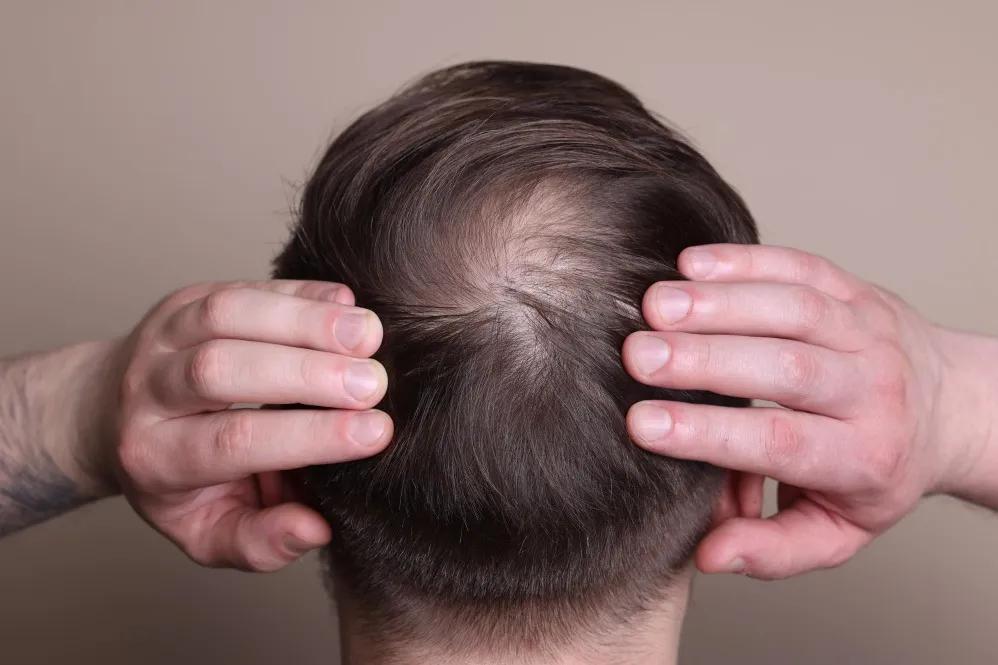
Hair fall is a common concern among both men and women, but not every case is caused by genetics or hormonal changes. Nutritional deficiencies can significantly affect hair growth, leading to excessive shedding, thinning, and reduced hair density. Identifying whether vitamin deficiency is contributing to hair loss is essential because treatment differs from other forms of hair fall.
Many individuals in Thane, Vasant Vihar, experience hair loss related to busy lifestyles, irregular eating habits, stress, and nutritional imbalance. Before beginning supplements or cosmetic treatments, understanding the underlying reason for hair thinning helps ensure that care is both effective and appropriate.
Which Vitamin Deficiencies Can Affect Hair Growth?
Healthy hair depends on adequate nutrition.
Common deficiencies associated with hair loss include:
- Vitamin D
- Vitamin B12
- Biotin (in selected cases)
- Iron
- Zinc
- Folate
Deficiencies may slow the normal hair growth cycle and increase hair shedding. However, taking supplements without confirming a deficiency may not provide meaningful benefits.
Symptoms That May Suggest Nutritional Hair Loss
Hair loss related to vitamin deficiency is often accompanied by other signs.
These may include:
- Diffuse hair thinning
- Increased hair shedding during washing
- Brittle hair
- Fatigue
- Pale skin
- Weak nails
- Reduced hair volume
Because these symptoms overlap with several medical conditions, professional evaluation is important.
How Dermatologists Diagnose the Cause
Hair loss has many possible causes, including hormonal disorders, scalp diseases, stress, medications, and nutritional deficiencies.
Assessment may involve:
- Medical history
- Dietary evaluation
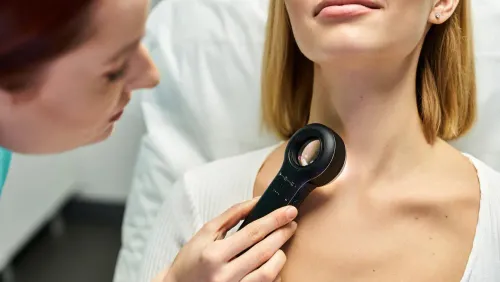
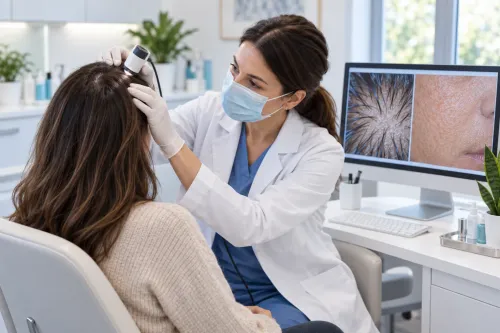
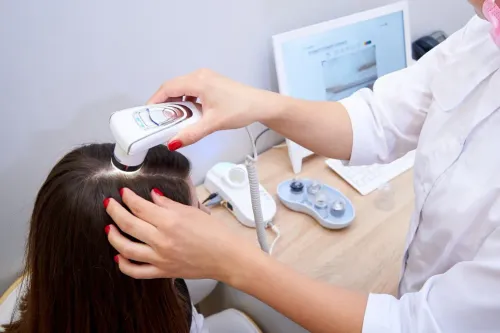
- Scalp examination
- Hair pull test
- Blood investigations where indicated
- Family history review
Identifying the exact cause allows treatment to focus on correcting the underlying problem rather than simply reducing hair fall temporarily.
Treatment Depends on the Diagnosis
If vitamin deficiency is confirmed, treatment may include:
- Dietary improvements
- Physician-recommended supplements
- Management of associated medical conditions
- Scalp care guidance
- Hair growth therapies when appropriate
Patients experiencing multiple contributing factors may require a combination of nutritional correction and dermatological treatment.
Supporting Healthy Hair Through Everyday Habits
Maintaining healthy hair involves more than using specialized shampoos.
Consider these habits:
- Eat a balanced diet rich in protein and micronutrients.
- Stay hydrated.
- Avoid unnecessary crash diets.
- Manage stress effectively.
- Protect the scalp from excessive heat and harsh chemicals.
- Follow medical advice before starting supplements.
These measures support overall scalp health while reducing preventable hair damage.
At Siyona Skin Hair and Aesthetic Clinic, patients with hair loss undergo individualized evaluation to determine whether nutritional deficiencies, hormonal changes, genetic factors, or scalp conditions are contributing to their symptoms. This personalized approach helps guide treatment decisions based on medical findings rather than assumptions.
Hair loss due to vitamin deficiency is often treatable when identified early. Seeking timely dermatological assessment can help uncover the root cause, allowing individuals to address nutritional concerns while supporting healthier hair growth through appropriate medical care and lifestyle modifications.
Keywords