
Social media has made skincare information easier to access, but it has also encouraged highly standardised routines. A cleanser, vitamin C serum, exfoliating acid, retinoid, moisturiser, and sunscreen may be presented as an ideal routine for almost everyone.
Real skin rarely works that neatly.
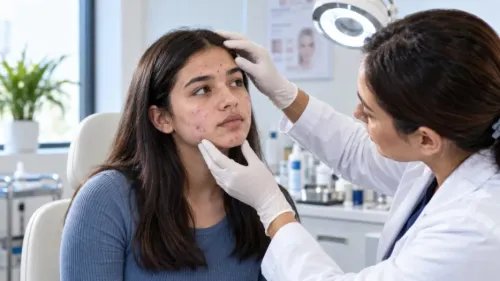
A customized skincare treatment considers the individual's skin concern, tolerance, current routine, lifestyle, and clinical findings rather than simply following a popular product sequence.
For residents of Hiranandani Estate, Thane, understanding this distinction can help reduce unnecessary product experimentation.
Your Skin Type Is Only One Part of the Picture
Knowing whether skin is oily, dry, combination, or sensitive can be useful, but treatment decisions usually require more context.
Someone with oily skin may simultaneously have acne and irritation from excessive cleansing. Another person may have pigmentation but also sensitive skin that cannot comfortably tolerate aggressive exfoliation.
An individualized plan can take several factors into account at once.
Age Can Change Skincare Priorities
Teenagers with acne usually have different priorities from adults concerned about pigmentation, fine lines, or texture.
Likewise, someone preparing for a wedding or important event may need a carefully timed plan rather than experimenting with unfamiliar products shortly before the occasion.
Skincare should therefore reflect the person's present concern rather than simply their age or a broad skin category.
Why More Products Do Not Necessarily Mean Better Care
Complex routines can create several problems.
Using multiple active ingredients simultaneously can increase irritation. Introducing several new products together also makes it difficult to determine which one caused a reaction.
A practical routine may sometimes contain fewer products, with each selected for a clear purpose.
Treatment Can Extend Beyond Home Skincare
Customized care does not necessarily mean receiving a long list of creams.
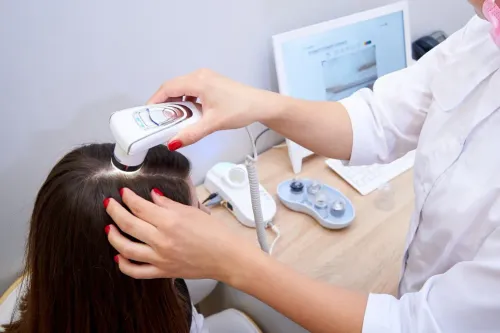
Depending on clinical assessment, a plan might involve home skincare alone, prescription treatment, monitoring, or an appropriate dermatological or aesthetic procedure.
The important point is sequencing.
For example, someone concerned about acne marks may still have significant active acne. Managing the active condition may need to take priority before focusing extensively on residual marks or texture.
What Should a Personalized Plan Explain?
A well-designed skincare plan should help you understand:
- What each product or treatment is intended to address
- How frequently it should be used
- Which combinations should be avoided
- How sunscreen fits into the routine
- What temporary reactions may occur
- When progress should be reviewed
- What to do if irritation develops
This makes skincare easier to follow and evaluate.
Changing Seasons and Lifestyle Matter Too
Conditions in Thane, Maharashtra, including periods of heat, humidity, monsoon weather, and sun exposure, can influence how skin feels and how practical certain formulations are.
Daily commuting, outdoor work, air-conditioned environments, exercise, makeup use, shaving, and occupational exposure can also affect skincare decisions.
These everyday details are easy to overlook when copying someone else's routine online.
At SIYONA Skin Hair and Aesthetic Clinic, individualized planning can begin with understanding the concern rather than assuming that a popular routine is automatically appropriate.
Customized skincare does not promise instant or identical results for everyone. Its advantage is relevance.
For someone in Hiranandani Estate dealing with persistent breakouts, pigmentation, sensitivity, ageing concerns, or an overly complicated routine, reducing guesswork can be valuable. Skincare becomes easier to understand when every step has a reason for being there.
Keywords