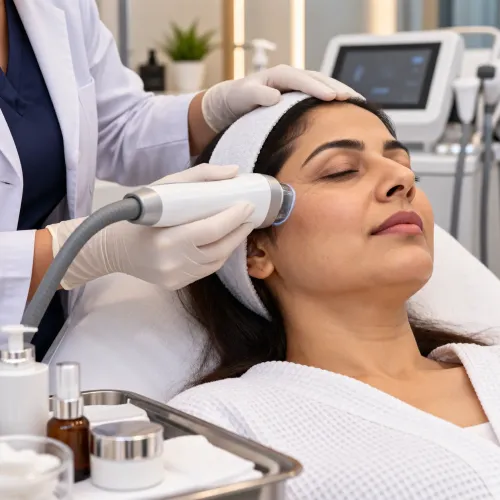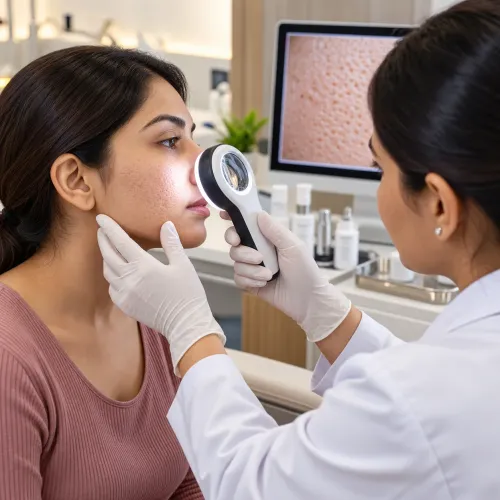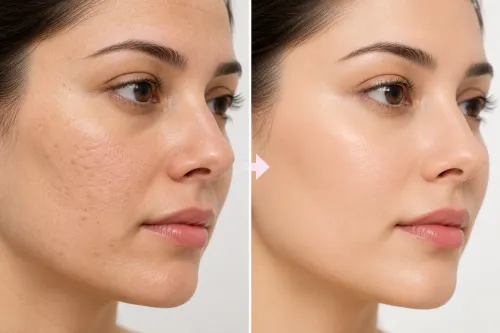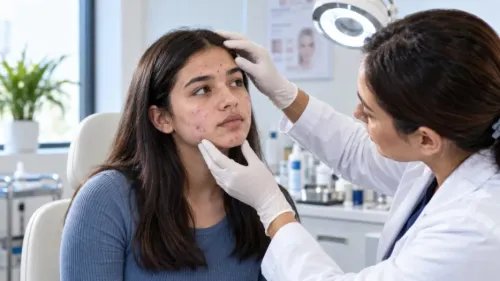
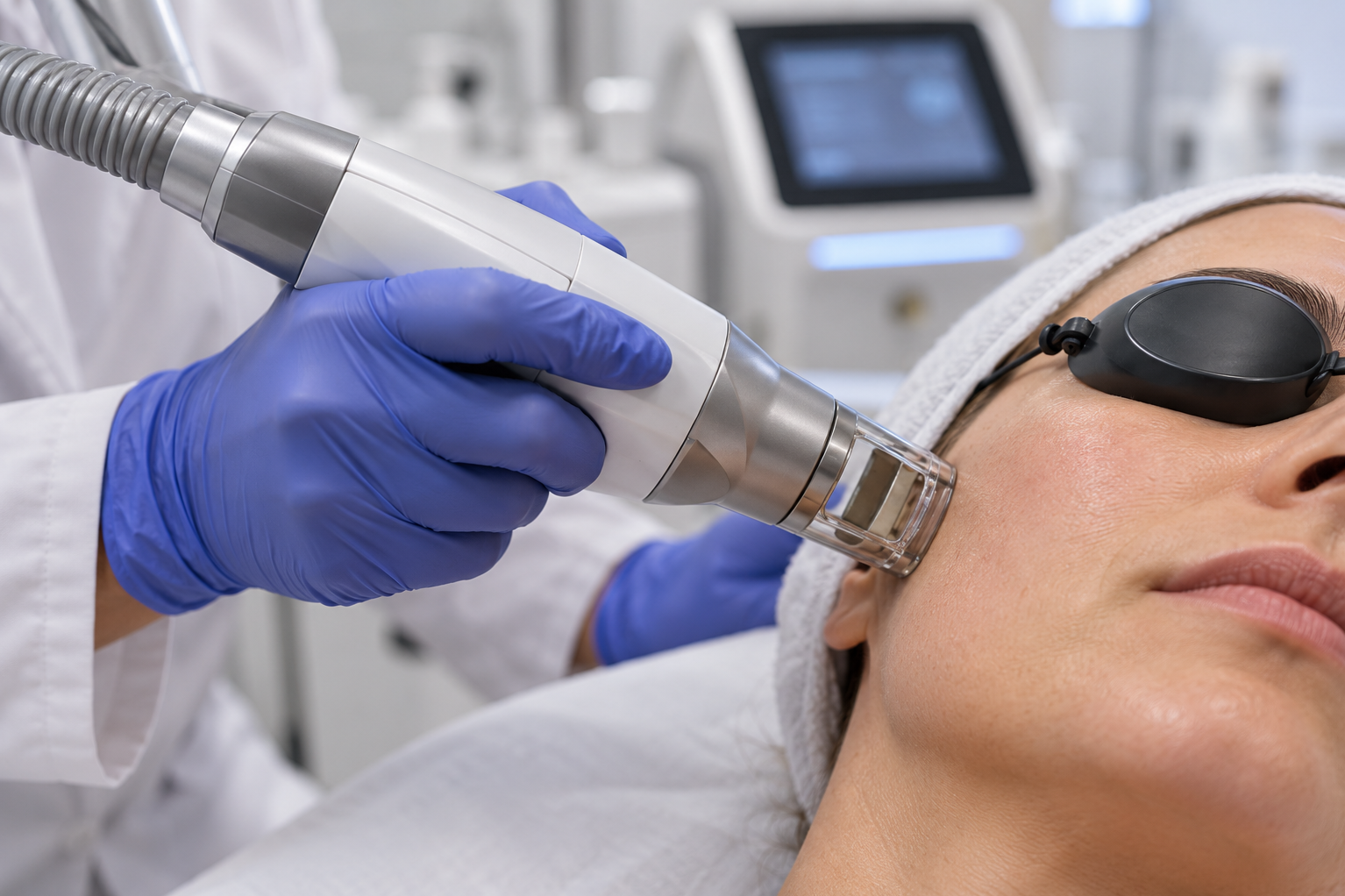
Skin resurfacing is commonly considered for acne-related texture, uneven skin surface, signs of photoageing, fine lines, or selected pigmentation concerns. Yet 'resurfacing' is a broad term rather than a single treatment.
Before choosing advanced skin resurfacing, patients should understand what they are trying to improve and how different approaches vary in intensity, recovery, and suitability.
For people in Kolshet Road, Thane, comparing procedures on these practical factors can be more useful than selecting whichever treatment is currently receiving the most attention online.
Start with the Concern, Not the Technology
A common mistake is asking for a procedure by name before the skin has been assessed.
Instead, identify the main objective:
- Acne-related texture
- Certain acne scars
- Fine lines
- Roughness
- Uneven surface appearance
- Selected pigmentation concerns
- General rejuvenation
A treatment suitable for superficial texture may not be appropriate for deeper scarring. Similarly, pigmentation requires careful assessment because not every form should be approached in the same way.
Compare Treatment Depth
Resurfacing procedures can work at different depths and through different mechanisms.
Some approaches are relatively superficial and may involve limited recovery. Others create a more substantial controlled treatment effect and consequently require greater aftercare or downtime.
Greater intensity does not automatically mean a better choice.
The appropriate level depends on the concern, skin characteristics, tolerance for recovery, and clinical judgement.
Ask About Downtime in Practical Terms
'Minimal downtime' can mean different things to different people.
Someone working from home may be comfortable with temporary redness that another person with daily client meetings would find inconvenient.
Before treatment, ask about expected:
- Redness
- Swelling
- Dryness or peeling
- Temporary sensitivity
- Sun precautions
- Makeup restrictions
- Exercise or activity restrictions
- Time before normal social activities
This is especially relevant for professionals or brides and grooms planning treatment around a fixed date.
Understand Pigmentation Considerations
Indian skin tones require thoughtful treatment selection because post-procedure pigmentation can be an important consideration in some circumstances.
The clinician may assess skin characteristics, tanning, existing pigmentation, previous reactions, and treatment history before deciding on parameters or whether resurfacing is appropriate.
Following pre- and post-procedure instructions can also be important.
Ask Whether Multiple Sessions Are Expected
Marketing can create the impression that one resurfacing session should dramatically transform every concern.
In practice, treatment plans depend on the indication and procedure being used. Some concerns may require staged sessions, combination approaches, or maintenance.
Ask what degree of improvement is realistically being targeted rather than focusing only on the number of sessions.
Who Should Perform the Assessment?
Resurfacing affects living skin and should not be treated like a routine salon service.
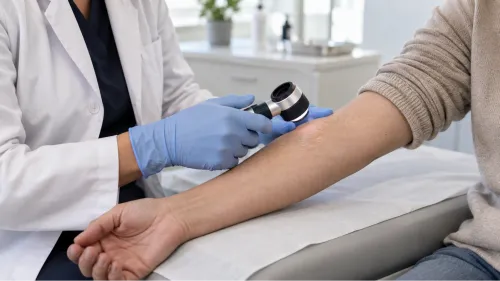
A dermatology-led assessment can identify active acne, infections, irritation, pigmentation issues, medication-related considerations, or other factors that could influence treatment timing.
At SIYONA Skin Hair and Aesthetic Clinic, patients considering resurfacing can have the underlying concern assessed before an aesthetic treatment strategy is selected.
For people living around Kolshet Road and Thane, Maharashtra, a sensible comparison should therefore consider five things: the actual diagnosis, treatment depth, expected benefit, downtime, and individual skin suitability.
Choosing resurfacing on those criteria is more meaningful than choosing according to trend, price alone, or before-and-after photographs from someone with completely different skin.
Keywords