Healthy skin requires more than regular cleansing and moisturising. Pollution, sun exposure, stress, makeup residue, and excess oil can gradually affect skin texture, leaving it looking dull and dehydrated. A Medical Grade HydraFacial Treatment is a professional skincare procedure designed to cleanse, exfoliate, hydrate, and nourish the skin in a single session. It is suitable for individuals who want healthier-looking skin without significant downtime.
People living on Pokhran Road, Thane often consider this treatment before special occasions or as part of a regular skincare routine recommended by their dermatologist.
What Makes a Medical Grade HydraFacial Different?
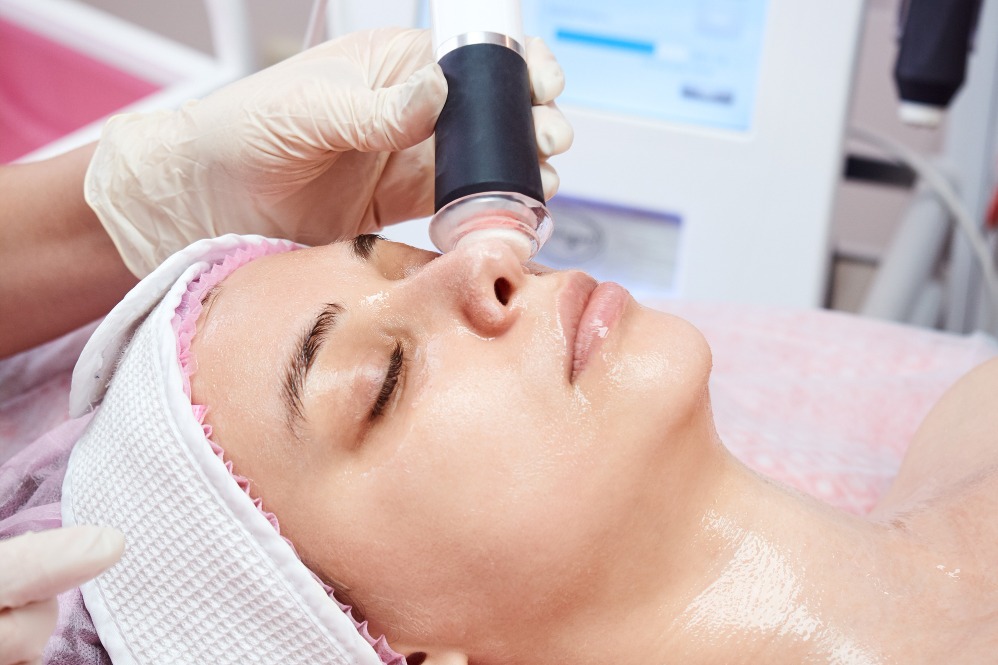
Unlike a standard facial offered at salons, a medical-grade HydraFacial is performed under dermatological supervision using specialised equipment and clinically formulated serums. The treatment focuses on improving skin health rather than providing only temporary cosmetic benefits.
Each session can be customised based on the individual's skin type and concerns, making it suitable for a wide range of patients.
How the Treatment Works
The procedure usually follows several steps that work together to refresh the skin:
- Gentle cleansing to remove surface impurities
- Exfoliation to eliminate dead skin cells
- Mild extraction of clogged pores
- Deep hydration using specialised serums
- Antioxidant and nutrient infusion to support skin health
The process is gentle and designed to leave the skin feeling clean, hydrated, and refreshed.
Skin Concerns It Can Help Improve
A Medical Grade HydraFacial Treatment may be recommended for:
- Dull skin
- Dehydrated skin
- Oily skin
- Congested pores
- Mild acne-prone skin
- Uneven skin texture
- Fine lines
- Lack of skin radiance
Since the treatment is customised, the dermatologist can adjust the approach according to the patient's skin condition.
What to Expect During the Appointment
The treatment generally takes about 30 to 45 minutes. Most people describe it as comfortable because it does not involve aggressive exfoliation or prolonged recovery.
After the session, the skin often appears cleaner, smoother, and more hydrated. Mild redness may occur in some individuals but usually settles quickly.
How Often Should It Be Done?
The frequency depends on individual skin goals and skin type. Some people choose the treatment before important events, while others include it in their regular skincare plan for ongoing maintenance.
A dermatologist can recommend an appropriate schedule after evaluating the skin.
Maintaining Healthy Skin Between Sessions
To support long-term skin health, it is helpful to:
- Use sunscreen every day
- Follow a dermatologist-recommended skincare routine
- Stay hydrated
- Cleanse the skin regularly
- Avoid sleeping with makeup
- Protect the skin from excessive sun exposure
These habits help preserve the results and promote healthier skin throughout the year.
Why Professional Skin Assessment Is Important
Although HydraFacial is suitable for many individuals, every skin type has different needs. A professional assessment helps identify concerns such as acne, pigmentation, sensitivity, or dehydration before selecting the most appropriate treatment.
Many people seeking advanced skincare services on Pokhran Road, Thane choose clinics that provide personalised dermatology care rather than one-size-fits-all solutions. At SIYONA Skin Hair and Aesthetic Clinic, every Medical Grade HydraFacial Treatment begins with a detailed skin evaluation to understand the patient's concerns and skincare goals. This personalised approach helps improve skin health while supporting a smoother, brighter, and naturally refreshed complexion.
Keywords